


Let us know that you approve our cookie policy.
We use our own and third-party cookies to optimize your property searching experience on our website. If you continue, we assume that you agree with our use of cookies.


Homes in Turkey are changing fast, and technology is at the center of this shift. People want houses that are safer, easier to manage, and cheaper to run. Smart systems now control lighting, heating, security, and energy use automatically, which helps people manage their daily life a lot easier. At the same time, cities are growing, and residents expect homes that adapt to smaller spaces, local weather, and modern lifestyles. This makes technology a key part of how people live and invest.
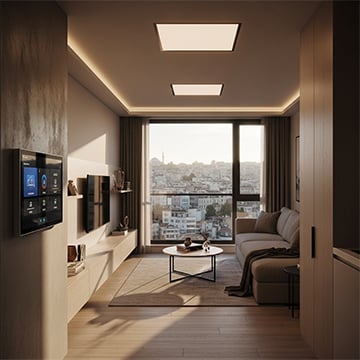 Buyer and tenant expectations in Turkey are changing fast. People now look beyond rising prices and care more about real value. Inflation has pushed buyers to focus on homes that cost less to run and hold value over time. Smart homes offer solutions for this need because they help control energy use and daily expenses. Buyers see these homes as a safer long-term choice, and tenants prefer them for comfort and lower bills.
Urbanization is another important factor shaping housing demand in Turkey. Most people now live in cities, and it does not seem to be stopping. Since city homes are smaller, residents now depend on technology to manage space and resources better. Sustainability also matters more because energy costs and environmental concerns are the main talking points of today’s climate. At the same time, digital lifestyles are getting more and more common, leading to homes needing strong internet, smart home automation systems, and simple controls.
Smart homes now stand out in crowded real estate markets. Many new projects look similar, but smart features help some properties attract more attention. Buyers and renters value safety systems, remote controls, and energy tracking because these tools support daily life. Investors also prefer these homes since they rent faster and appeal to higher-income tenants. This demand gives smart homes stronger resale and rental potential.
These real estate technology trends also match Turkey’s long-term housing and urban development goals. The country aims to renew old buildings and improve safety after recent earthquakes. Smart systems support this goal through monitoring, alerts, and automated shut-offs. Urban transformation projects now include these features as standard elements.
AI-powered home automation and AI-powered home security in Turkey are becoming more common in Turkish housing. These systems learn daily routines and adjust lighting, heating, and security on their own. Resulting in custom experiences in homes, they are now more responsive and easier to manage. AI energy management systems in Turkey also help prevent problems, such as energy waste or safety risks.
At the same time, voice assistants and centralized control platforms are now changing the main ways in which people use smart homes. Many residents prefer one app or one voice command to control the whole house. This helps families of all ages use the system with less effort. Because of this, developers now plan homes around simple and unified control systems.
Energy efficiency and sustainability are increasingly becoming a part of smart homes. Rising energy costs push homeowners to track and manage usage more carefully. Smart systems help regulate heating and cooling, which supports climate adaptation in hot summers and cold winters. These tools also reduce long-term expenses on city infrastructure. Therefore, energy-focused features now rank high on buyer priority lists.
Global tech events also influence local development decisions. Major showcases like CES 2026 highlight new standards and devices that shape the future of the Turkish real estate market. CES 2026 Turkish smart home companies watch these events to understand where housing technology is heading. They then apply proven ideas to local needs and regulations. This connection helps the Turkish market stay current without chasing short-lived trends.
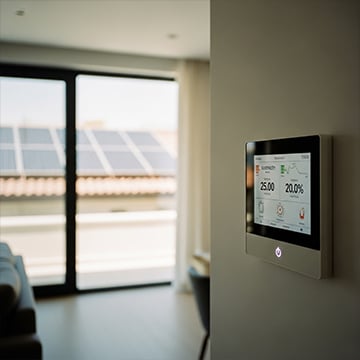 Smart home security devices are now common in Turkey’s smart home market. Many properties have smart locks with facial or biometric access, so residents no longer rely on physical keys. Cameras, motion sensors, and smart intercoms also support daily safety. These devices record activity and send alerts in real time.
Remote monitoring has become especially important for both main homes and holiday properties. Many owners travel often or live in another city, so they depend on mobile access. Smart cameras, sensors, and intercoms allow them to check their homes at any time. This access helps owners respond quickly to problems like break-ins, leaks, or fire risks. Therefore, remote control has become a basic expectation in many regions.
Smart home security systems also support residential complexes and gated communities. Large complexes now use shared cameras, perimeter sensors, and digital entry points. These systems track vehicles and visitors and share data with on-site security teams. At the same time, each home keeps private controls through its own app.
All of these features affect how tenants and owners feel about a property. Tenants trust homes that have strong security and clear access records. Owners also gain better control because they can manage entry and monitor usage from a distance. This setup reduces disputes and supports stable occupancy.
Smart home integrations in Turkey’s real estate are becoming more common across both new and existing homes. Homeowners have options from international brands like Control4, KNX, and 1Home, which provide full automation for smart lighting, heating, and climate control in Turkey. These smart home integrations in Turkish real estate let people control many devices from a single app or hub.
Security is also crucial for real estate in Turkey with smart-home systems. Brands like Livicom offer cameras, alarms, and sensor systems that residents can monitor through smartphones. These systems alert homeowners to unusual activity and allow remote control of locks and gates. This makes both daily life and travel safer for families and property owners.
Voice assistants and smart hubs are widely used to simplify home control. Devices from Amazon Alexa, Google Assistant, and Samsung SmartThings allow people to manage lights, thermostats, and appliances with simple commands. Smart systems integration with smart appliances from Beko, Samsung, and LG also helps residents save time.
Local startups and home technology integrations play an important role in the market. Companies like Netelsan, Multitek, and Florawise work with both developers and homeowners to install smart devices. This supports new projects and retrofits older buildings with automation and energy management. As these companies grow, smart homes in Turkey are becoming more accessible and easier to maintain.
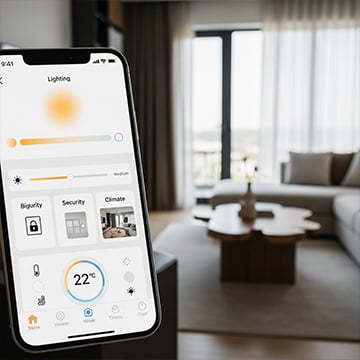 The adoption of smart home systems in Turkish properties is growing among homeowners, investors, and developers. Many new smart home integrations in Turkish real estate include smart security, climate control, and energy management. People who make smart property investments in Turkey see these homes as more attractive because they reduce operating costs and appeal to tech-savvy tenants. Homeowners also value convenience and safety, which makes smart systems an important selling point in the market.
Integrating smart systems in new builds is easier than retrofitting older properties. New constructions can include wiring, sensors, and network infrastructure from the start. Existing buildings face higher costs and require more effort to add devices like smart locks, HVAC controls, or energy management systems. Plug-and-play solutions and Matter-compatible devices are reducing these barriers, but retrofits still lag behind new construction in adoption rates.
Government regulations and incentives are shaping the market. Updated shelter regulations require disaster-resilient buildings, and digital market rules encourage interoperability between devices. Tax breaks, energy efficiency grants, and land support motivate developers to invest in villas with smart home features in Turkey. Together, these policies help expand adoption, improve safety, and encourage sustainable practices across Turkey’s housing sector.